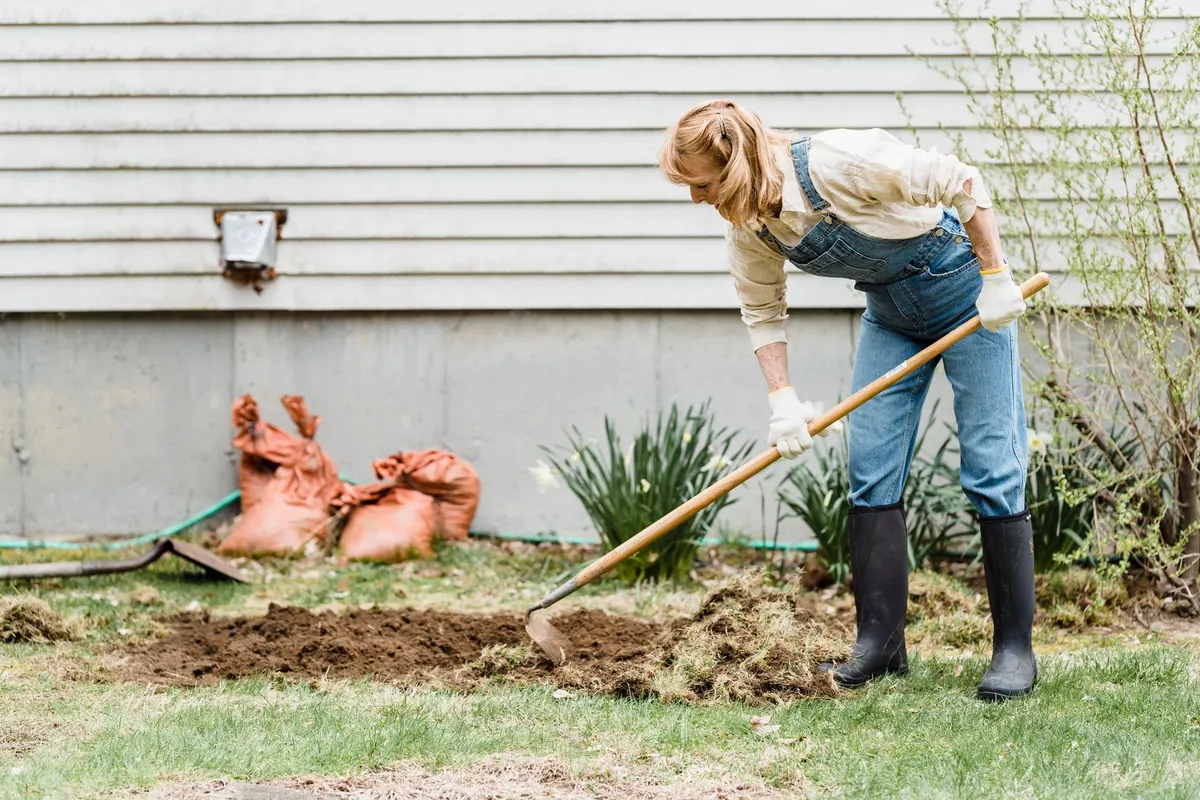
There's a particular frustration that comes with a lawn that should be thriving and simply isn't. You feed it, you water it, you mow it at the right height, and still the grass sulks: thin patches, moss creeping in along the edges, puddles that sit for days after rain. Often the problem isn't above ground at all. It's in the soil, and quite often it comes down to compaction.
Compaction is one of the few lawn problems you can diagnose with your own hands and fix with tools you probably already own. Here's what to look for, and what to do about it.
Healthy soil is roughly half solid material and half pore space, a network of gaps holding air and water. Grass roots need both. When weight presses on the surface, those gaps collapse and particles lock together. Water stops draining downwards and sits on the surface instead. Air is pushed out, and roots, which need oxygen to work, stop growing.
The result is a lawn living entirely in the top centimetre or two of soil. Shallow roots mean poor drought tolerance, so the grass browns off quickly in summer and recovers slowly. Airless soil also slows the breakdown of thatch, and it suits moss, plantain and dandelion far better than it suits fine grass.
Some symptoms are obvious, others are easy to blame on weather or feeding. It's worth checking for all of these:
Wait until the soil is moist but not soaked, ideally a day or two after rain. Push a long screwdriver or a sharpened steel rod into the turf. On a healthy lawn it should slide in to roughly 10–15cm with modest pressure. If you have to lean on it, or it stops dead a few centimetres down, you've found compaction.
For a clearer picture, cut a spade-sized square of turf about 15cm deep and lift it. Healthy soil crumbles and shows roots threading through it, along with earthworms and a loose, crumbly structure. Compacted soil comes out in flat, plate-like slabs with roots flattened sideways near the surface. Replace the square, firm it gently and water it.
There are two approaches, and it's worth knowing which suits your lawn.
This removes small plugs of soil, which is what you want for genuine compaction. The holes relieve pressure and give top-dressing somewhere to go. Hire a machine for anything larger than a small lawn, or use a hand tiner. Work in two directions at right angles, and don't worry about the plugs left on the surface: let them dry, then break them up with a rake or mow over them.
Solid tines punch holes without removing soil. Useful for light compaction and for sandy lawns, but on heavy clay, repeated solid tining in wet conditions can push particles sideways and make things worse. If that's your soil, hollow tining is the better choice.
Early autumn is the best window in most of the UK, with spring a reasonable second. The soil should be moist enough to accept a tine but not waterlogged, and the grass should be growing. Avoid frost, drought and heatwaves. On a small lawn, a garden fork does the job: push it in to about 10–15cm, work it gently back and forth to widen the hole, and repeat across the lawn in a grid. Slow work, but effective.
Aeration only helps if the holes stay open. Top-dressing, which means brushing a thin layer of soil or sand into the surface, fills them and gradually improves structure.
Use a mix that matches what you already have. A loam-based dressing suits most lawns. On heavy clay, avoid pure builder's sand, which can set like concrete; a blended dressing containing organic matter is safer. Apply in thin layers, no more than 5mm at a time, and work it in with a stiff brush or the back of a rake. Do this in autumn, straight after hollow tining, and repeat over following years rather than trying to fix everything at once. Overseeding afterwards helps grass fill the holes rather than moss.
Most compaction is caused by feet and wheels on wet ground. A few habits make a real difference:
Test the soil first, then act on what you find. If compaction is mild, a session with a garden fork this autumn plus a thin top-dressing may be enough. If water sits and the screwdriver won't go in, hire a hollow-tine machine, work over the lawn twice at right angles, then top-dress and overseed while the soil is still warm.
Then leave it alone. Give the grass a fortnight of gentle treatment, keep off it when wet, and let the roots do the work. Compaction builds up over years, and it won't disappear in a weekend, but with one good autumn's attention and a bit of discipline about wet-foot traffic, most lawns come back noticeably thicker the following spring.
Photo: Greta Hoffman / Pexels
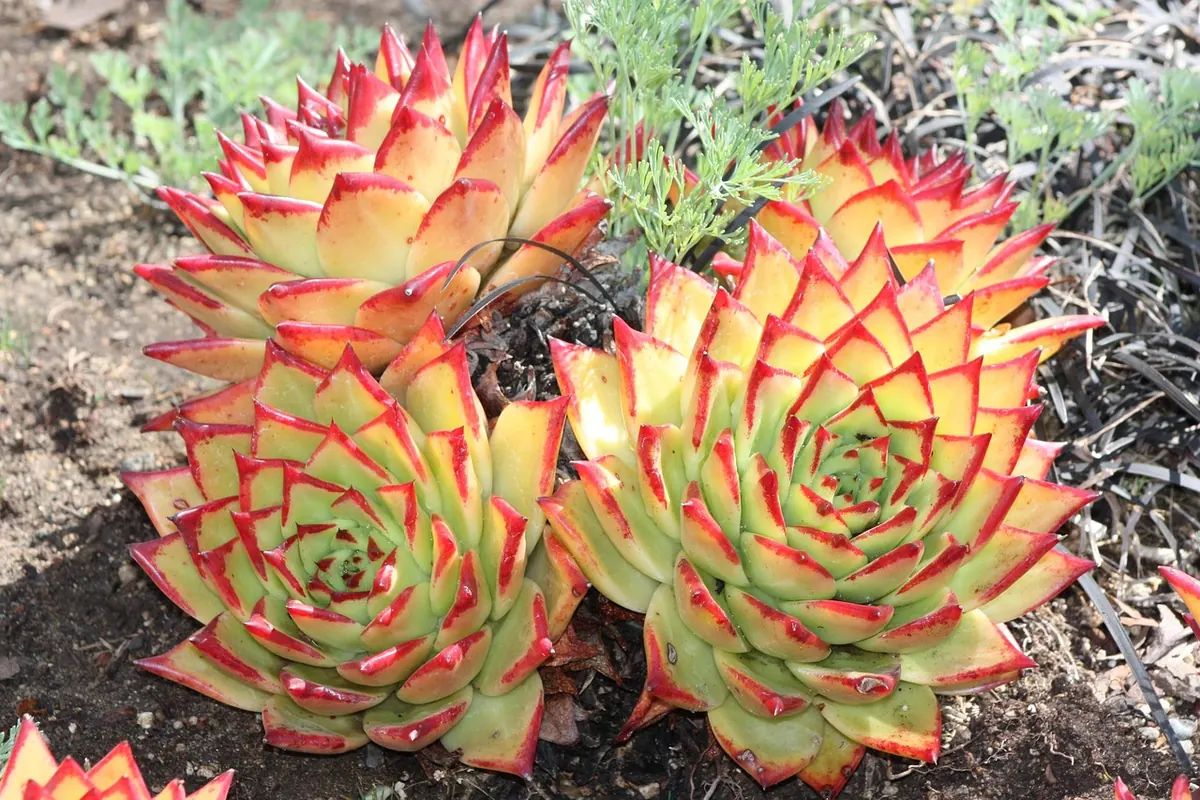
How clover, thyme and chamomile compare as low-water lawn substitutes for sunny UK gardens, with practical advice on...

A month-by-month plan for turning an ordinary lawn into a year-round larder for bees, butterflies and moths, from...
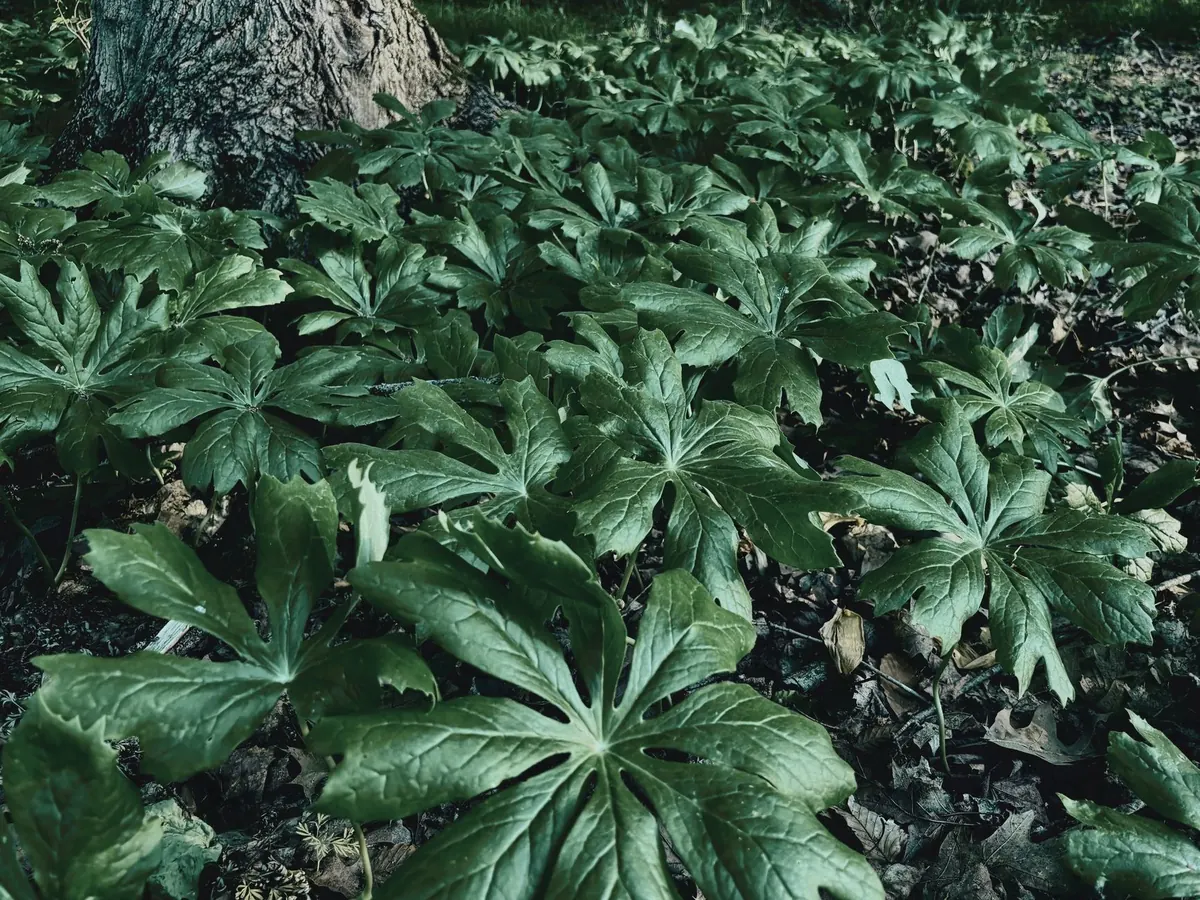
A practical guide to reliable shade-tolerant plants for north-facing and wooded UK gardens, with planting advice and...

Your hub for clover, lawns, and garden inspiration..
