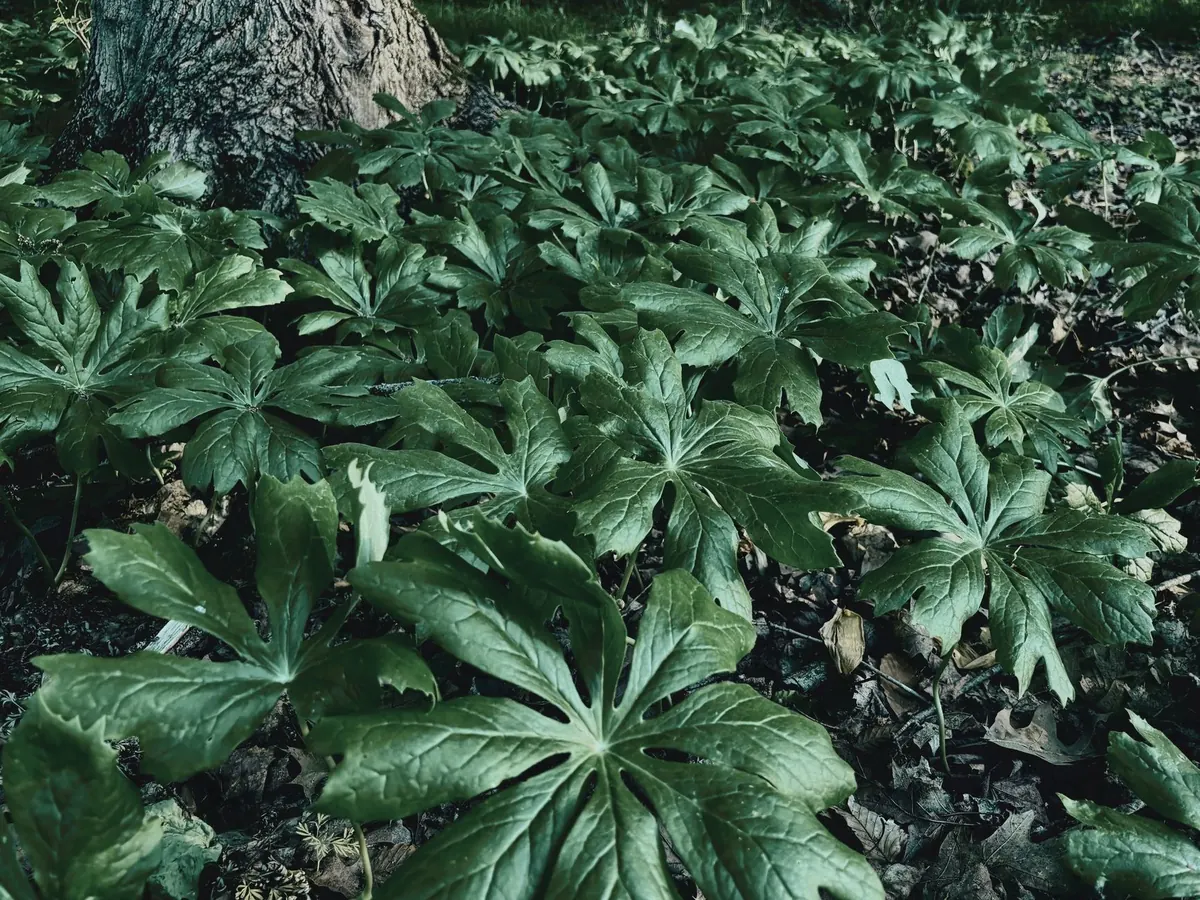
Shade is not the problem. Dry, root-filled, compacted shade is the problem — and even that can be worked with. The trick is choosing plants that evolved on woodland floors, where light arrives in short bursts and leaf litter does the mulching for them. Get the planting right in the first year and many of these will need little more than an annual tidy-up.
Before you buy anything, spend a week paying attention. Shade comes in several flavours, and the plant that romps away in one will sulk in another.
A quick test: push a trowel in about 15cm. If it goes in easily and you smell leaf mould, you have good soil. If you hit a mat of fine roots within a few centimetres, plan for dry shade and choose accordingly.
Start with structure. Evergreen shrubs give a shaded border shape through winter, when herbaceous plants have vanished entirely. Good, unfussy choices for British gardens include Sarcococca confusa, whose tiny white flowers scent a whole garden in January; Skimmia japonica, which needs a male plant nearby if you want berries on a female; and Fatsia japonica, which shrugs off deep shade and dry soil and gives you bold, tropical-looking leaves.
For the ground layer, Pachysandra terminalis, Vinca minor and Geranium macrorrhizum will knit together into a weed-suppressing carpet within two or three seasons. Euphorbia amygdaloides var. robbiae is superb for dry shade, though be warned: it spreads by underground runners and will need pulling back where you don't want it. Plant in autumn if you can. The soil is still warm, rain does the watering, and roots settle before winter.
If you only plant one group, make it ferns. They are almost maintenance-free, they look good from April to November, and most tolerate both damp and reasonably dry conditions once established. Dryopteris erythrosora unfurls coppery new fronds in spring; Polystichum setiferum holds its shape through winter; Asplenium scolopendrium, the hart's tongue fern, has strap-like evergreen leaves that look smart in a shady corner all year.
Pair them with foliage plants grown for leaf colour rather than flowers. Heuchera and Tiarella come in deep purples, lime greens and near-blacks, and Brunnera macrophylla 'Jack Frost' has silvered leaves that brighten a dark corner better than any flower. Add a grass for movement — Hakonechloa macra for a shady border, or Luzula nivea for dry shade under trees.
Shade gardens can flower generously; you just have to pick the right season. Hellebores carry the winter — Helleborus niger, the Christmas rose, and the Lenten roses (Helleborus × hybridus) flower from December into March. Cut the old leaves back in late winter so the flowers are visible and to reduce disease.
Epimediums are the quiet heroes of dry shade, with delicate flowers in spring and heart-shaped leaves that turn bronze in autumn. Japanese anemones will fill a border from late summer into October, though they spread steadily and need a firm hand. Add snowdrops and Cyclamen hederifolium as bulbs in autumn; both naturalise happily under deciduous trees without any attention at all.
Planting directly beneath a mature tree is always a compromise. The tree wins, every time. A few rules make it workable:
The point of these plants is that they look after themselves, but "low maintenance" is not "no maintenance". A sensible routine is seasonal rather than weekly:
Resist the urge to feed heavily. Rich soil pushes soft, floppy growth that flops in shade. A mulch of homemade leaf mould each spring is usually enough.
Don't try to fill the whole border at once. Pick the trickiest patch, buy three or five plants suited to the conditions you actually have — dry shade, damp shade, deep shade — and get them in the ground properly. Water them for two summers. Once you see what thrives, repeat it. A shady garden develops slowly, but it also holds its shape through winter in a way sun-baked borders rarely do. Give it a couple of years and you will spend far more time sitting in it than working on it.
Photo: Emmerson Waybrant / Pexels
How clover, thyme and chamomile compare as low-water lawn substitutes for sunny UK gardens, with practical advice on...

A month-by-month plan for turning an ordinary lawn into a year-round larder for bees, butterflies and moths, from...
Compacted soil starves grass roots of air and water, causing puddles, moss and thin turf. Here's how to spot it and...

Your hub for clover, lawns, and garden inspiration..
