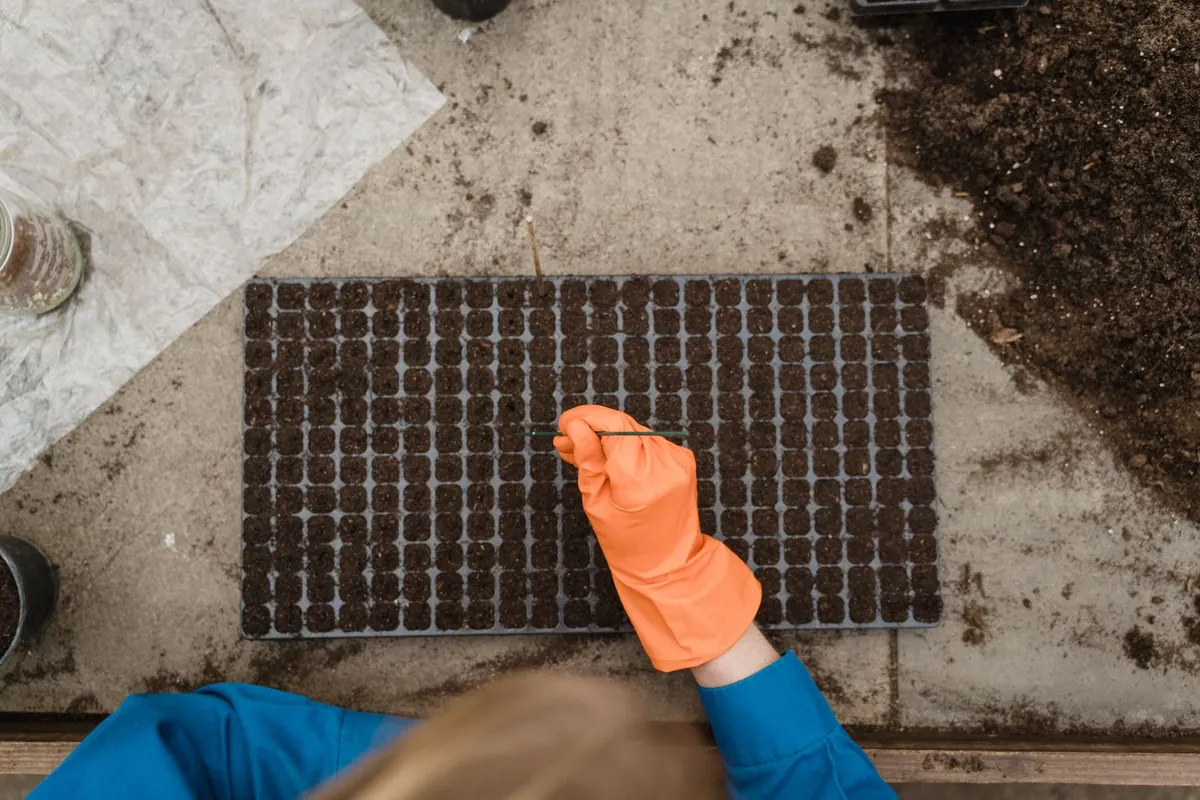
Clover lawns have a gentle reputation: sow it, forget it, enjoy the flowers. That is close to the truth once a clover sward is established, but the sowing itself decides whether you end up with a thick green carpet or a patchy disappointment. In Britain, where the growing season is short and the weather rarely behaves, success usually comes down to two things: sowing into warm soil, and keeping the surface damp until the seedlings have rooted. Get those right and the rest is patience.
White clover (Trifolium repens) germinates best when the soil is warm and reliably moist. Think of soil temperatures around 10°C and upwards, with 15–20°C being ideal. In most UK gardens that points to late summer and early autumn, or to late spring once the frosts have finished.
Sow too early in spring into cold, wet ground and the seed sits there swelling and rotting while weeds get a head start. Sow during a dry July and germination simply stalls until rain arrives. There is a second consideration: clover needs light to germinate. Bury it and it will not appear at all, which is why sowing depth matters as much as the date on the calendar.
Prepare the bed a fortnight to three weeks before sowing — early to mid-August for an autumn sowing, early March for a spring one. Clover is not fussy about soil type, but it hates compaction and it struggles in very acidic ground. Aim for a pH around 6.0 to 7.0, which suits most British gardens.
This is the window most experienced growers aim for. The soil is still warm from summer, autumn rain does your watering for you, and weed growth is slowing down rather than exploding. Seed sown in late August typically germinates within seven to fourteen days.
Sow by mid-September across most of the UK. If you garden further north, on heavy clay, or on a site that frosts early, aim for late August instead. Mix the seed with dry sand or fine soil so you can see where it lands, then divide the area in half — broadcast one half walking north to south, the other walking east to west. That criss-cross method avoids the bare streaks that come from sowing in one direction.
After sowing, press the seed into the surface with a light roll, the flat of a rake, or by walking over the ground in small steps. Then dust over with no more than 5mm of fine soil. Deep sowing is the most common reason clover fails.
If you missed the autumn, spring works — with caveats. Wait until the soil has warmed and the last hard frost has passed. A March sowing on cold ground can take three or four weeks to germinate and gives weeds a head start; late April is often better. Spring sowings also need more watering through their first summer, because the roots have less time to go down before dry weather arrives.
Slugs are a bigger problem in spring than autumn. Young clover seedlings are vulnerable, so check the bed after dark and use barriers or traps. If you use slug pellets, keep them away from pets, children and wildlife, and follow the label exactly.
As a rough guide for a pure clover lawn, sow white clover at about 1–2 grams per square metre. In a clover-and-grass mix, use the grass at its normal rate for a new lawn and add clover at roughly 0.5–1 gram per square metre. Always check the packet: coated or pelleted seed weighs considerably more than bare seed, so the supplier's rate is the one to trust.
Microclover is worth considering for small gardens. It has smaller leaves, grows lower and flowers less, so it looks tidier and needs less mowing. Red clover is a meadow plant, not a lawn plant — it grows tall and clumps, so leave it for the wildflower strip.
Keep the top centimetre of soil damp. In dry weather that means a light misting morning and evening rather than a long soak, which can wash seed into hollows. If birds are scratching about, stretch netting or fleece over the bed until the seedlings are big enough to hold their own.
Taper the watering as the roots go down. Clover is far more drought-tolerant than grass once established, but it still needs help in its first season. Hand-weed anything that appears before it sets seed, and resist the urge to feed — nitrogen encourages the grass and weeds around your clover, not the clover itself.
Wait until the clover is roughly 7–8cm tall and seedlings hold firm when you tug them gently. Then make the first cut on the mower's highest setting, on a dry day, with a sharp blade. Never take off more than a third of the growth. Clover grows from a low crown, so scalping it does real damage.
Mow at 4–5cm through the season and the sward thickens and self-repairs. Never cut below 3cm. A mixed grass-and-clover lawn stands up better to children and dogs than pure clover, which can be slippery underfoot when wet. If bare patches appear, scatter a little more seed in late August and keep it damp for a fortnight — clover is forgiving like that.
Photo: Tima Miroshnichenko / Pexels
How clover, thyme and chamomile compare as low-water lawn substitutes for sunny UK gardens, with practical advice on...

A month-by-month plan for turning an ordinary lawn into a year-round larder for bees, butterflies and moths, from...
A practical guide to reliable shade-tolerant plants for north-facing and wooded UK gardens, with planting advice and...

Your hub for clover, lawns, and garden inspiration..
