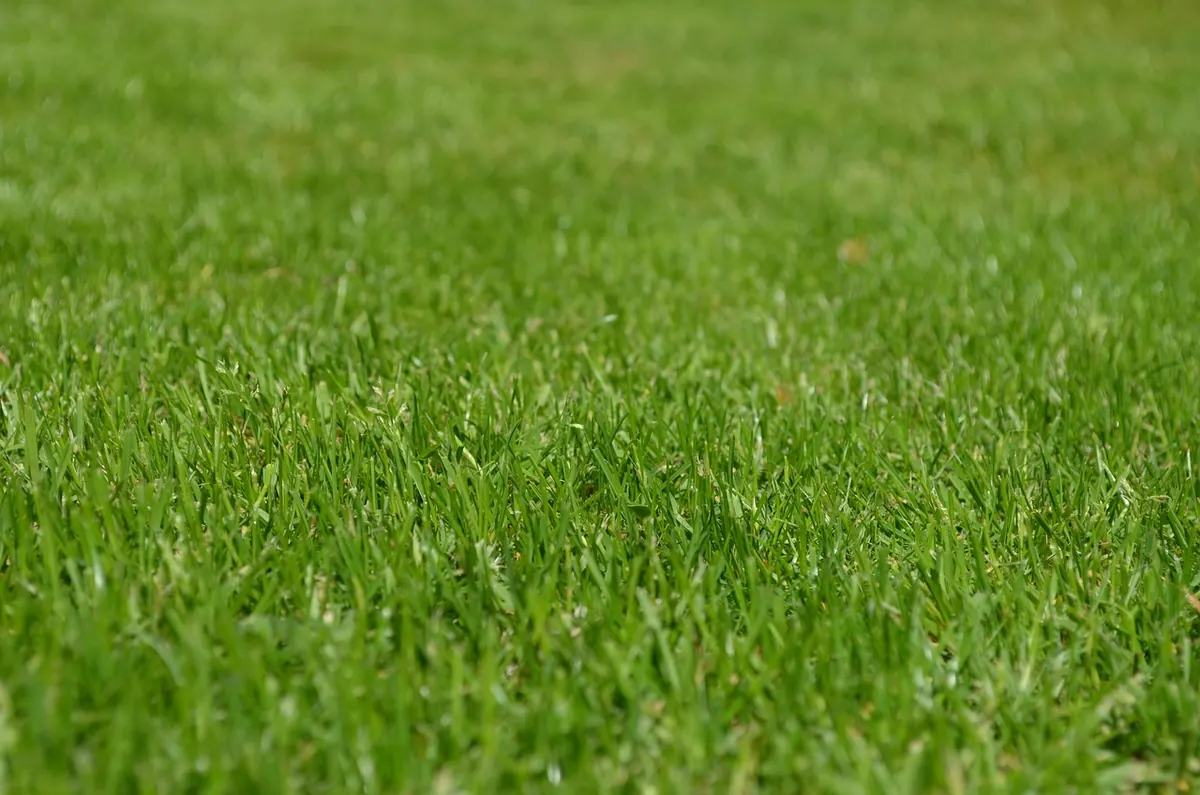
A clover lawn appeals for good reason: less mowing, more bees, and a green carpet that shrugs off dry spells better than most fine turf. The idea is simple enough — take out the grass, put in the clover. The execution is where people come unstuck. Most disappointing clover lawns fail for one of a handful of predictable reasons, and nearly all of them can be avoided with a little patience at the start.
Not every clover belongs in a lawn. White clover (Trifolium repens) is the standard choice, and micro-clover varieties of it have smaller leaves and a lower, denser habit that stands up well to light foot traffic and regular mowing. Red clover is taller and more vigorous — lovely in a meadow strip or a wild corner, but it flops, flowers early and looks scruffy under a mower. Strawberry clover copes with wet, compacted or slightly saline ground, which makes it useful on heavy clay.
Check what you are actually buying, too. Some seed is sold coated or pelleted, which changes the weight and the coverage you get from a packet. Look for a supplier who names the species and the variety rather than offering a vague "clover mix". If you fancy a bee-friendly blend with grasses and wildflowers in it, that is fine — just understand it will behave differently from a pure clover patch and will need a different mowing routine.
Clover seed is tiny and it will not push through thatch, matted grass or a crust of compacted soil. Scatter it over an existing lawn and hope for the best, and most of it will germinate, dry out and die within a fortnight. The work that matters happens before sowing.
Clover is fairly forgiving about soil, but it does best in neutral to slightly acid ground. If yours is very acid or has been worked hard for years, a soil test will tell you whether lime or a little phosphate is worth adding.
The single most common sowing error is burying the seed. Clover needs light and moisture, not depth. A dusting of 1–2mm, barely a covering, is plenty; many gardeners simply broadcast onto firmed ground and roll it in.
To spread it evenly, mix the seed with dry sand or fine compost, divide it into two batches, and sow in two passes at right angles to each other. Weigh the seed rather than guessing, and measure the area first — a patchy, thin result usually comes down to half the seed landing in a quarter of the space. Once sown, tread it in or roll it. Then keep off it.
Germination takes roughly one to two weeks, and during that time the top centimetre of soil must stay damp. In dry weather, a light misting morning and evening beats one heavy soaking, which can wash seed into hollows. This is the stage that catches people out on a hot weekend in May. Once the plants are established, clover roots deeply and needs far less water, so you can step back and let it fend for itself.
Resist the mower. Wait until the plants are around 5–7cm tall and clearly rooted, which usually means four to six weeks, and then cut high — 5cm or above — with a sharp blade. Scalping young clover pulls seedlings out of the ground and opens the sward to weeds.
Once it is established, clover takes a higher cut than most lawns. Set the mower to its top setting, mow when the ground is dry, and leave the clippings to fall back. If you want the flowers for pollinators, mow less often through summer and let it bloom between cuts.
Clover fixes its own nitrogen from the air, so a high-nitrogen lawn feed does it no favours — it simply pushes grass and broadleaf weeds ahead of the clover. If a soil test shows a genuine need, use a low-nitrogen feed and go lightly.
More importantly, never use weed and feed or any broadleaf weedkiller on a clover lawn. It will kill the clover outright. Weed by hand, or use a gel applicator to dab individual weeds. If the ground has been treated with a residual weedkiller recently, check the label and wait the stated interval before sowing — some products linger far longer than people expect.
In the UK, the two reliable windows are mid-April to the end of May, and late August to mid-September. Soil is warm, rain is reasonably dependable, and seedlings establish before the extremes of summer or winter. A midsummer sowing will need constant watering; a late-autumn one risks cold, slugs and damping off.
Manage your expectations as well. You should see germination within a fortnight and reasonable cover in six to eight weeks, but the first year often looks patchy. Clover spreads by creeping stems, and those patches knit together over the following spring. Give it a full season before you judge it.
Get those six things right and the clover will do the rest. It is a forgiving plant once it is up and running — it just will not forgive being buried, dried out or scalped in its first month.
Photo: Huskyherz / Pixabay
How clover, thyme and chamomile compare as low-water lawn substitutes for sunny UK gardens, with practical advice on...

A month-by-month plan for turning an ordinary lawn into a year-round larder for bees, butterflies and moths, from...
A practical guide to reliable shade-tolerant plants for north-facing and wooded UK gardens, with planting advice and...
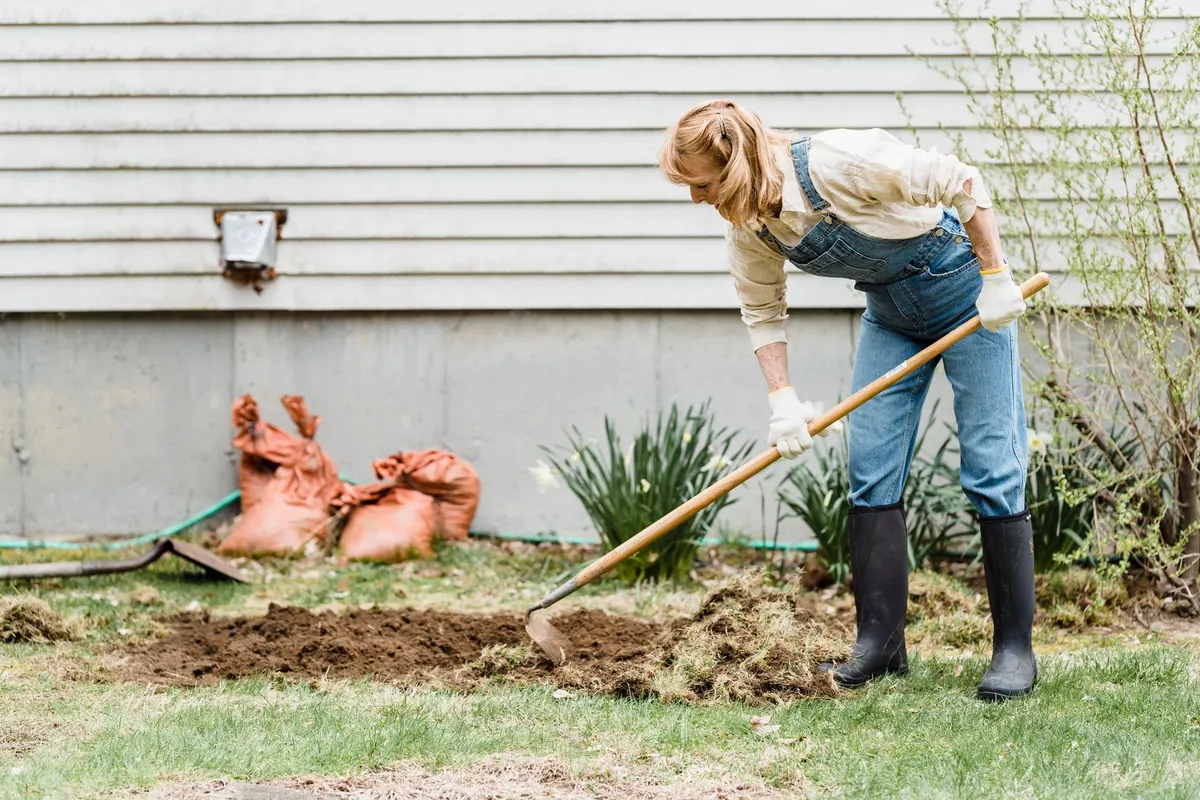

Your hub for clover, lawns, and garden inspiration..
